Understanding Hormonal Imbalance in Women: Early Signs, Causes & Treatment (2026 Guide)
✨ Introduction: The Silent Health Issue Many Women Ignore
Hormonal imbalance is one of the most common yet overlooked health concerns among women today. From irregular periods to unexplained weight gain, mood swings, and skin issues—your body often gives signals, but they’re easy to ignore.
In 2026, with rising stress, lifestyle changes, and delayed pregnancies, hormonal health has become a major concern affecting fertility, menstrual health, and overall well-being.
👉 The key is early detection and the right medical guidance.
⚖️ What Is Hormonal Imbalance?
Hormones are chemical messengers that regulate:
- Menstrual cycle
- Metabolism
- Mood
- Fertility
- Sleep
When these hormones go out of balance—even slightly—it can affect multiple systems in your body.
🚨 Early Signs You Should Not Ignore
Most women experience symptoms but don’t connect them to hormones.
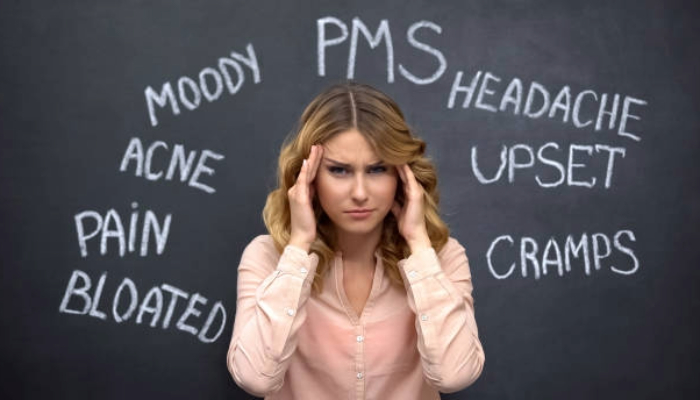
Common Warning Signs:
- Irregular or missed periods
- Sudden weight gain or difficulty losing weight
- Acne or oily skin
- Hair fall or thinning
- Mood swings, anxiety, or irritability
- Fatigue and low energy
👉 These symptoms may seem “normal,” but they often indicate deeper hormonal issues.
🧬 Major Causes of Hormonal Imbalance
Hormonal issues don’t happen randomly—there are underlying triggers.
1. Stress & Lifestyle Changes
Chronic stress increases cortisol levels, disrupting hormonal balance.
2. Poor Diet
High sugar, processed foods, and unhealthy fats affect insulin and estrogen levels.
3. Thyroid Disorders
Conditions like hypothyroidism directly impact hormones and metabolism.
4. PCOS (Polycystic Ovary Syndrome)
A leading cause of hormonal imbalance and infertility in women.
5. Lack of Sleep
Sleep directly affects hormone regulation, especially reproductive hormones.
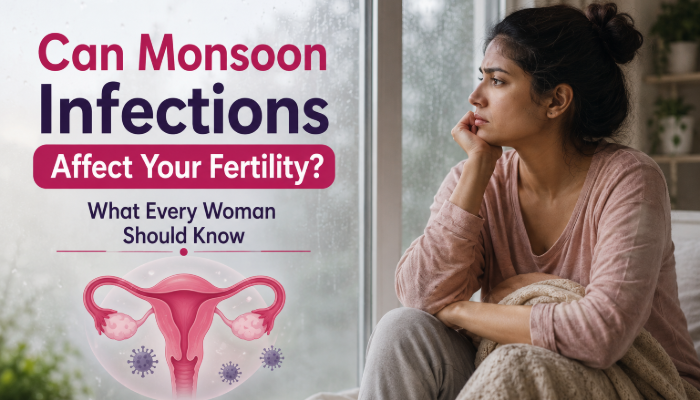
🌺 Hormonal Imbalance & Fertility: What You Need to Know
One of the biggest impacts of hormonal imbalance is on fertility.
👉 It can cause:
- Irregular ovulation
- Difficulty conceiving
- Increased risk of miscarriage
Early diagnosis and treatment significantly improve fertility outcomes.
Clinics specializing in fertility and women’s health focus on identifying root causes and offering personalized treatment plans
🩺 When Should You See a Doctor?
Don’t wait for symptoms to worsen.
Consult a specialist if you notice:
- Irregular cycles for more than 2–3 months
- Severe acne or hair fall
- Sudden weight changes
- Difficulty conceiving
👉 Early medical intervention can prevent long-term complications.
🔬 Diagnosis: How Hormonal Issues Are Detected
Doctors usually recommend:
- Blood tests
- Thyroid profile
- Ultrasound (for PCOS)
- Lifestyle assessment
A proper diagnosis helps create a targeted and effective treatment plan.
💊 Treatment Options for Hormonal Imbalance
Treatment depends on the root cause.
Common Approaches:
✔ Lifestyle modifications (diet, exercise, sleep)
✔ Medications for hormone regulation
✔ Fertility treatments (if required)
✔ Stress management techniques
👉 The goal is not just symptom relief—but long-term hormonal balance.
🥗 Natural Ways to Support Hormonal Health
Along with medical treatment, lifestyle plays a major role.
Simple Daily Habits:
- Eat balanced meals with protein & fiber
- Exercise regularly
- Manage stress (yoga, meditation)
- Maintain a healthy sleep cycle
👉 Small changes can create a big impact over time.
🌟 Why Personalized Care Matters
Every woman’s body is different.
What works for one may not work for another.
This is why clinics like Orchidz Health focus on:
- Individual diagnosis
- Customized treatment plans
- Holistic care approach
👉 Personalized care leads to better and faster results.
❓ FAQs
1. Can hormonal imbalance go away on its own?
Mild cases may improve with lifestyle changes, but most require medical guidance.
2. Is hormonal imbalance serious?
If untreated, it can lead to fertility issues, metabolic disorders, and long-term health problems.
3. Can stress cause hormonal imbalance?
Yes, chronic stress is one of the leading causes.
4. How long does treatment take?
It varies depending on the cause, but consistent treatment shows improvement within a few months.
5. Can hormonal imbalance affect skin and hair?
Yes, it can cause acne, pigmentation, and hair fall.
📢 Conclusion
Hormonal imbalance is not just a “phase” to ignore—it’s your body asking for attention.
By understanding the early signs and seeking the right care, you can:
✔ Restore balance
✔ Improve fertility
✔ Enhance overall well-being
👉 Because a healthy hormonal system is the foundation of a healthy life.