Sexually Transmitted Infections (STIs) and Their Impact on Male Fertility
Sexually transmitted infections (STIs) are a prevalent health concern worldwide, impacting millions of people each year. While STIs are often associated with discomfort and serious health complications, many people are unaware of their potential to affect male fertility. Understanding how STIs can interfere with reproductive health is crucial, especially for men trying to conceive.
What Are Sexually Transmitted Infections (STIs)?
STIs, sometimes referred to as sexually transmitted diseases (STDs), are infections that are passed from one person to another primarily through sexual contact. Common STIs include chlamydia, gonorrhea, syphilis, herpes, human papillomavirus (HPV), and human immunodeficiency virus (HIV). These infections can be caused by bacteria, viruses, or parasites and often go undiagnosed because symptoms may be mild or even non-existent.
How Do STIs Affect Male Fertility?
Male fertility depends on the proper functioning of the reproductive system, which includes the production of healthy sperm and the ability to deliver it effectively. STIs can affect male fertility in several ways:
- Infection and Inflammation:
- STIs such as chlamydia and gonorrhea are bacterial infections that can cause inflammation in the male reproductive organs, particularly the epididymis and testicles.
- This inflammation, known as epididymitis or orchitis, can damage sperm production and decrease the quality and quantity of sperm. If left untreated, the infection can cause scarring in the reproductive tract, leading to blockages that prevent sperm from being released during ejaculation.
- Impaired Sperm Function:
- Certain viral STIs, such as HIV and herpes, have been linked to reduced sperm motility and abnormal sperm morphology.
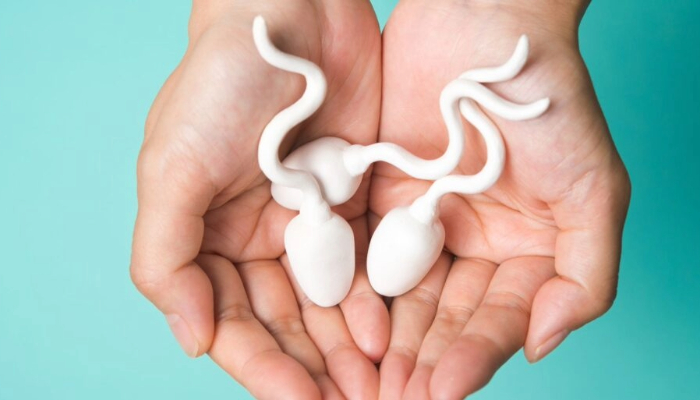
- Sperm motility is the ability of sperm to swim effectively toward the egg, and any impairment in this function reduces the chances of conception. Abnormal sperm shape (morphology) can also make it difficult for the sperm to penetrate and fertilize the egg.
- Damage to the Seminal Vesicles and Prostate:
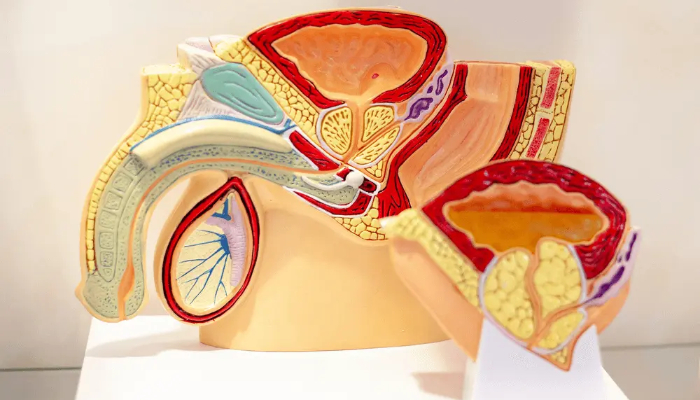
- Some STIs can cause infections in the prostate gland and seminal vesicles, which are responsible for producing seminal fluid.
- Inflammation in these glands can disrupt the quality of the semen, including its pH balance and volume, which in turn affects sperm survival and function.
- Hormonal Disruptions:
- Infections like HIV can also disrupt the balance of hormones needed for sperm production. Men with HIV may experience lower testosterone levels, which can impair sperm production and decrease libido, further complicating fertility issues.
- Immune System Response:
- In some cases, STIs can trigger an immune response where the body mistakenly attacks its own sperm cells, thinking they are foreign invaders.
- This condition, known as anti-sperm antibodies, can further reduce fertility by making it difficult for sperm to move or bind to the egg.
Common STIs That Affect Male Fertility
- Chlamydia: Chlamydia is one of the most common bacterial STIs and a leading cause of male infertility. It often goes undetected due to a lack of symptoms, but if left untreated, it can lead to permanent damage to the reproductive tract, particularly the epididymis.
- Gonorrhea: Gonorrhea, another bacterial infection, can cause serious reproductive issues if untreated. Like chlamydia, it can cause inflammation and scarring in the male reproductive organs, leading to fertility problems.
- Human Papillomavirus (HPV): While HPV is commonly associated with cervical cancer in women, it can also affect men. Some studies suggest that HPV infections can reduce sperm motility and contribute to male infertility.
- Herpes Simplex Virus (HSV): HSV-1 and HSV-2, commonly known as oral and genital herpes, can affect male fertility indirectly. The presence of active herpes lesions can cause significant discomfort and reduce sexual activity, while recurrent infections may lead to inflammation and impaired sperm quality over time.
- HIV: Men living with HIV often experience a decline in sperm quality, motility, and count. Additionally, HIV can lead to hormonal disruptions that further impact fertility.
Preventing and Treating STIs to Protect Male Fertility
The good news is that many of the fertility issues caused by STIs are preventable or treatable. Here’s how men can protect their reproductive health:
- Practice Safe Sex: Using condoms consistently and correctly during sexual activity significantly reduces the risk of contracting STIs.
- Regular Screening: Men who are sexually active, especially with multiple partners, should get regular STI screenings. Early detection and treatment are essential for preventing complications that can affect fertility.
- Prompt Treatment: Bacterial STIs like chlamydia and gonorrhea can be treated with antibiotics. Early intervention is key to preventing long-term damage to the reproductive organs.
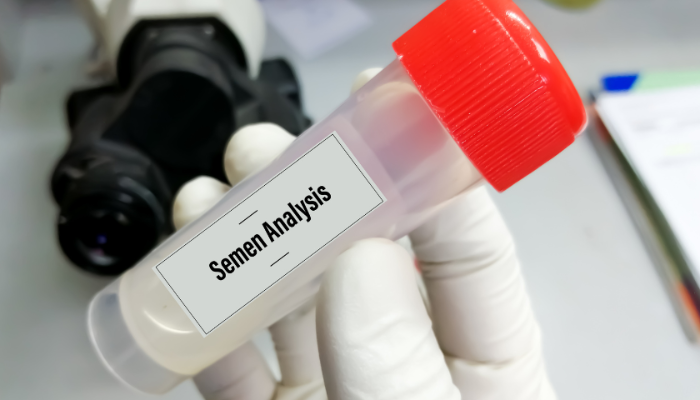
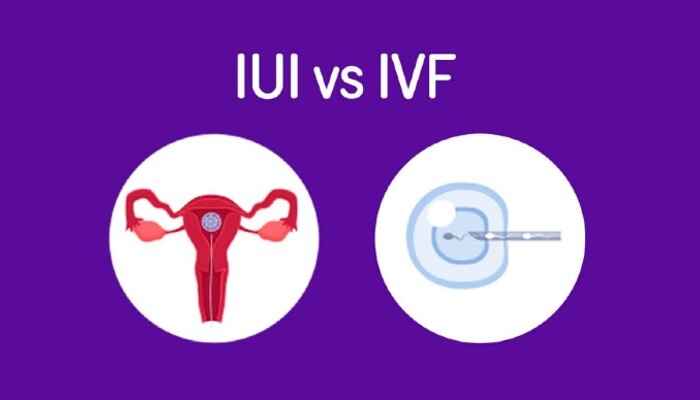
- Fertility Evaluation: If a man has a history of STIs or is experiencing difficulty conceiving, it is essential to seek professional evaluation. A fertility specialist, like Dr. Pramod Krishnappa, can assess the impact of STIs on sperm health and recommend appropriate treatments or assisted reproductive technologies (ART) such as in-vitro fertilization (IVF) or intracytoplasmic sperm injection (ICSI).
- Lifestyle Modifications: Maintaining a healthy lifestyle, including a balanced diet, regular exercise, and stress management, can improve overall sperm health and enhance fertility, even in cases where STIs have caused damage.
Consult Dr. Pramod Krishnappa for Expert Care
If you are concerned about the impact of STIs on your fertility or are experiencing issues related to male sexual health, consulting an experienced andrologist is crucial. Dr. Pramod Krishnappa at Orchidz Health in Bangalore specializes in male fertility and sexual health, offering comprehensive diagnosis and personalized treatment plans.