Post-Monsoon Women’s Wellness: How to Rebalance Hormones and Boost Fertility with Dr. Sneha at Orchidz Health, Bangalore
🌟 Introduction
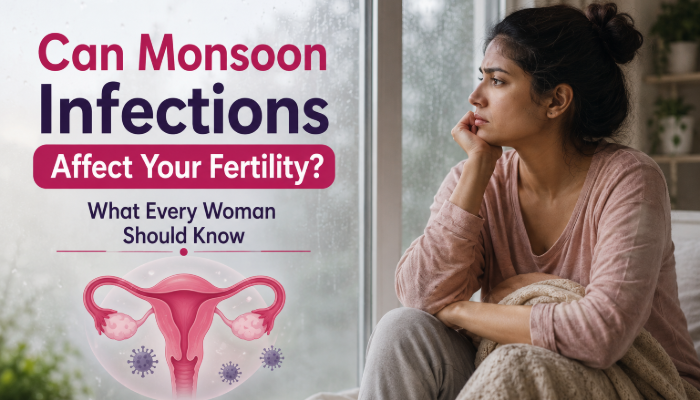
The post-monsoon season in Bangalore is an important period for women’s health. After months of heavy rains, humidity, and dietary changes, many women experience hormonal imbalances, menstrual irregularities, fatigue, skin changes, and reduced fertility. These symptoms, if left unaddressed, can affect reproductive health and overall well-being.

At Orchidz Health, Dr. Sneha provides comprehensive care for women, focusing on hormonal wellness, fertility optimization, and post-monsoon health management. With a combination of medical expertise, lifestyle counseling, and state-of-the-art reproductive treatments, Dr. Sneha helps women regain balance and vitality.
This blog explores why post-monsoon affects women’s hormones, common symptoms, lifestyle strategies, fertility optimization, treatments available at Orchidz Health, and answers frequently asked questions.
🩺 Why Post-Monsoon Impacts Women’s Hormones
The post-monsoon season can significantly influence hormonal health due to multiple factors:
- Dietary Shifts
During the monsoon, indulgence in fried, oily, or processed foods increases. This affects insulin levels and can lead to hormonal imbalance, particularly in women susceptible to PCOS or insulin resistance. - Stress and Lifestyle Changes
The transition period after monsoon often brings increased work, irregular routines, and disrupted sleep. Elevated cortisol (stress hormone) negatively impacts reproductive hormones such as progesterone and estrogen. - Environmental Factors
Residual monsoon humidity, seasonal allergens, and post-rain infections can affect thyroid function, metabolism, and indirectly influence menstrual cycles and fertility. - Gut Health Connection
Monsoon-related digestive disturbances may lead to gut imbalances, which can affect estrogen metabolism, menstrual regularity, and overall fertility.
💡 Common Post-Monsoon Symptoms in Women
Women in Bangalore often report the following issues after monsoon:
- Irregular or heavy periods: Hormonal imbalance can disrupt the menstrual cycle.
- Mood swings or irritability: Fluctuating estrogen and progesterone levels can affect mental health.
- Fatigue and low energy: Cortisol and thyroid disruptions contribute to tiredness.
- Difficulty conceiving: Ovulatory irregularities may affect fertility.
- Skin issues: Acne, dryness, or rashes due to hormonal fluctuations.
- Weight fluctuations: Increased insulin resistance can lead to abdominal fat gain.
Recognizing these signs early and consulting a gynecologist in Bangalore is crucial for maintaining reproductive health.
🌿 Hormone Rebalancing Strategies
Balancing hormones naturally involves a combination of nutrition, exercise, stress management, and lifestyle modifications.
- Nutrition for Hormonal Health
A balanced diet supports hormonal regulation and fertility:- Include leafy greens, seasonal fruits, whole grains, nuts, and lean proteins.
- Incorporate omega-3 fatty acids from flaxseeds, walnuts, and fish to regulate estrogen levels.
- Limit refined sugars, processed foods, and excessive dairy, which can exacerbate hormonal imbalance.
- Hydration is critical – drink filtered water in Bangalore to flush out toxins and support liver function, which is essential for hormone metabolism.
- Physical Activity
Regular exercise improves metabolism, reduces insulin resistance, and supports hormonal balance:- Moderate exercises such as yoga, Pilates, brisk walking, or swimming are effective.
- Exercise also promotes better sleep and reduces cortisol levels, indirectly supporting reproductive health.
- Stress Management
Stress can disrupt cortisol, progesterone, and thyroid hormones, leading to menstrual irregularities and fertility challenges:- Engage in meditation, deep breathing exercises, or mindfulness.
- Allocate daily time for hobbies, light walks, or relaxation techniques.
- Gut Health & Probiotics
A healthy gut is closely linked to hormone metabolism:- Include probiotic-rich foods like curd, kefir, or fermented vegetables.
- Avoid excessive antibiotics unless prescribed, as they can disrupt gut flora and hormone regulation.
- Adequate Sleep
- Aim for 7–8 hours of quality sleep per night.
- Poor sleep affects thyroid function and cortisol levels, which are crucial for reproductive and overall health.
🏥 Fertility Optimization and Treatments at Orchidz Health
Dr. Sneha provides comprehensive fertility care tailored to women’s post-monsoon needs. Services include:
- Hormone Level Testing
Comprehensive blood tests evaluate thyroid, estrogen, progesterone, insulin, and other reproductive hormones. - Ovulation Tracking & Fertility Planning
Helps women understand their fertile window, particularly important after seasonal hormonal fluctuations. - Fertility Treatments
- Ovulation induction to stimulate regular ovulation.
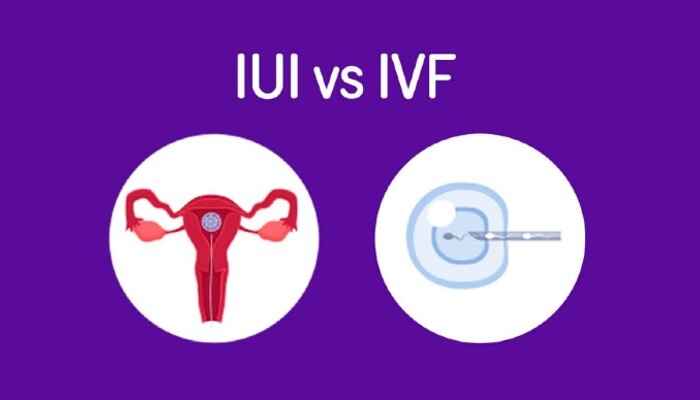
- Intrauterine insemination (IUI) for couples needing assisted conception.
- In vitro fertilization (IVF) for advanced fertility challenges.
- Lifestyle Counseling
- Personalized diet, exercise, and stress management plans to naturally support fertility.
- Guidance for long-term hormonal balance and menstrual health.
- Advanced Reproductive Health Support
Management of PCOS, thyroid-related menstrual issues, irregular cycles, and post-monsoon fatigue.
❓ Frequently Asked Questions
Q1: How soon after monsoon should I check my hormone levels?
September is an ideal time to evaluate hormones and detect imbalances caused by seasonal changes.
Q2: Can hormonal imbalance be corrected naturally?
Yes. With proper nutrition, exercise, stress reduction, and medical guidance, most post-monsoon imbalances can be managed effectively.
Q3: Does gut health really affect fertility?
Absolutely. Gut imbalances can disrupt estrogen metabolism and menstrual cycles, indirectly affecting fertility.
Q4: How can I boost fertility naturally after monsoon?
Balanced diet, moderate exercise, stress reduction, and regular monitoring by a gynecologist in Bangalore can significantly improve fertility.
Q5: When should I consult Dr. Sneha?
If you experience irregular cycles, fatigue, unexplained weight changes, difficulty conceiving, or post-monsoon hormonal issues, a consultation is highly recommended.
📍 Why Consult Dr. Sneha at Orchidz Health
Orchidz Health, located on New BEL Road, Mathikere, Bangalore, provides:
- Personalized care in hormonal balance and fertility optimization
- Advanced reproductive diagnostics and fertility treatments
- Compassionate guidance for post-monsoon wellness and long-term reproductive health
- A holistic approach combining medical management, lifestyle counseling, and fertility support
Dr. Sneha’s expertise ensures women in Bangalore receive comprehensive, evidence-based care tailored to their unique needs.
✅ Conclusion
The post-monsoon season is the perfect time for women to rebalance hormones, optimize fertility, and regain overall wellness. With proper lifestyle adjustments, nutrition, and guidance from Dr. Sneha at Orchidz Health, Bangalore, women can navigate post-monsoon health challenges effectively and achieve long-term reproductive health and vitality.
Take charge of your health today and schedule a consultation with Dr. Sneha at Orchidz Health to ensure your hormones, fertility, and well-being are in balance.