
Vaginal infections
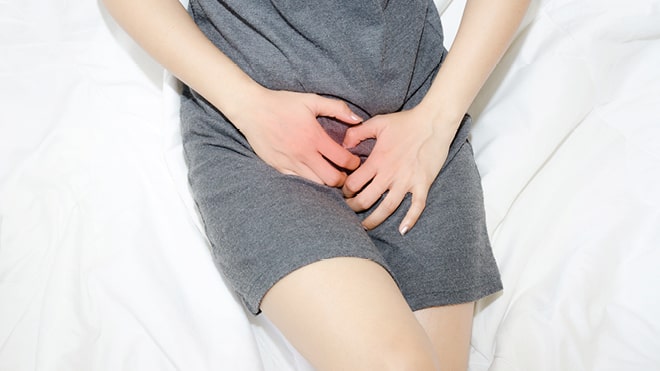
- What causes vaginal and lower genital tract infections?
Infections in the vagina may be caused by
- Bacteria – Chlamydia , bacterial vaginosis or gonorrhea
- Fungus – Yeast infections
- Virus – HPV, herpes
- What are the symptoms of vaginal infections?
The symptoms include:
- Vaginal itching
- Foul smelling excess discharge
- Vaginal/ vulval irritation
- Pain in the vaginal region
- Urinary symptoms such as frequency or urgency
- How should I take care of my genital region?
A few points to be kept in mind regarding genital hygiene include:
- Do not wash the area frequently, more than once a day. Excessive washing will wash away the favorable bacteria and promote the overgrowth of pathogenic bacteria.
- No use of soaps or harmful chemicals in the area
- Use cotton undergarments as they are least irritative
- Over the counter hygiene wash is not recommended
- Should my partner be evaluated?
If one of the partners are diagnosed with vaginal infection, as most of these infections are transmitted by sexual intercourse, the partner treatment is a must. If this is not done, it will lead to frequent reinfections and symptoms keep recurring. - What is the treatment for vaginal infections?
It depends on the cause. Antibiotics or antifungals may be recommended. Antifungal vaginal tablet or cream is effective in curing the vaginal yeast infection. The course of these medicines must be completed, as prescribed by your physician.
Frequently Asked Questions
Recurring symptoms can happen when the underlying cause has not been fully addressed or when a sexually transmitted infection is passed back and forth between partners. Completing the prescribed treatment and following the doctor's advice can be important for preventing recurrent vaginal infections.
Yes. Excessive washing can remove favourable bacteria and encourage the growth of harmful bacteria. The page advises against washing the genital area more than once a day. Avoiding unnecessary washing is therefore an important part of vaginal hygiene.
Yes. Symptoms may sometimes result from a skin condition or an allergic reaction to chemicals or excessive water exposure rather than an infection. This is why persistent irritation should be assessed before assuming you need vaginal infection treatment.
No. Foul-smelling discharge can occur with several vaginal conditions, including bacterial infections, while some infections are sexually transmitted. Because different causes require different treatments, persistent abnormal vaginal discharge should be evaluated rather than self-treated.
It can. Urinary symptoms such as increased frequency or urgency may occur alongside vaginal infections. If these symptoms persist, a doctor can determine whether they are related to a vaginal infection or another urinary or genital condition.
It is advisable to avoid unnecessary hygiene washes, particularly when they contain substances that may irritate the genital area. The page specifically does not recommend over-the-counter hygiene washes and advises avoiding soaps or harmful chemicals around the area. Vaginal irritation treatment should be based on the actual cause rather than repeated use of cleansing products.
Cotton underwear is recommended because it is considered less irritating to the genital region. While underwear alone does not treat an infection, choosing less-irritating clothing can support genital health alongside appropriate medical care.
One possible reason is reinfection, particularly when the infection is sexually transmitted and the partner has not also been evaluated or treated. Another possibility is that the original symptoms had a different cause. Completing the prescribed course and obtaining appropriate evaluation for vaginal infection recurrence can help identify why symptoms continue.
No. Treatment depends on the underlying cause. Antibiotics may be used for bacterial infections, while antifungal medicines may be used for yeast infections. Using the wrong medicine may not address the actual problem, so vaginal infection treatment should be selected according to the diagnosis.
Patients should follow the treatment duration prescribed by their doctor rather than stopping medication simply because symptoms improve. Completing the prescribed course can help reduce the risk of incomplete treatment and recurring symptoms as part of proper vaginal infection care.