
Egg freezing / egg preservation
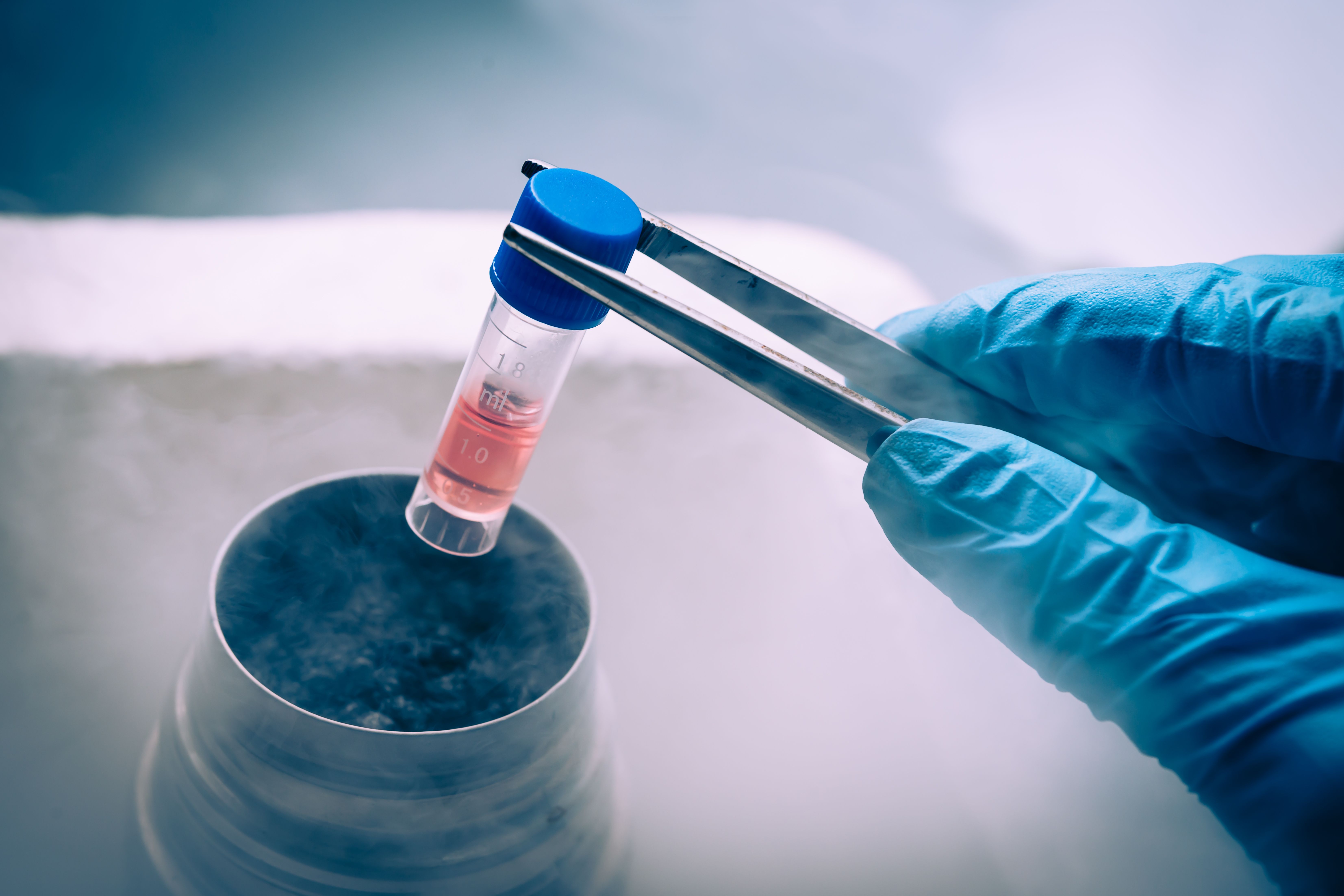
What is egg preservation?
The number of eggs in a female’s ovary is fixed. No new eggs are formed during the life span of a woman. It only keeps decreasing with aging. For some women, it happens at a rapid rate than the others. The freezing of eggs at a younger age to use the later acts like an insurance.
It is not practical to always plan when have a child. The ‘biological clock is ticking’ and eggs in your ovary are depleting continually. Egg freezing is like an insurance for your eggs. It given freedom to have a child according to choice.
What is the best way to preserve your eggs?
The best way to preserve your eggs involves stimulation of the ovaries by injections. Multiple eggs grow in the ovary. These are retrieved under anesthesia and stored in liquid nitrogen for later use. These eggs can be used at any time up to 5 years.
If you wish to freeze embryos, it provides a better survival rate.What is the best age to preserve eggs?
The younger the age, the better; as the quality and quantity of eggs are better. This leads to best pregnancy rate. Always plan to freeze eggs at least before your 35th birthday. If you are older, consult your fertility doctor to find out your ovarian reserve and chances of pregnancy with egg preservation.
Who is the best doctor for egg preservation?
Dr Sneha J is a Gynecologist and the best fertility specialist. She has completed MD OBG from the top university AIIMS , Delhi and University fellowship in Fertility/ Reproductive medicine. She had further training in dealing with these conditions, as a visiting fellow at high output centres in Madrid, Spain and Chicago,USA. A Gynaecologist with training in Reproductive Medicine/ fertility procedures is best for treating Repeated IVF failure.
Frequently Asked Questions
There is no single number that guarantees a future pregnancy because outcomes depend on factors such as age at freezing, egg quality, and future reproductive circumstances. A fertility specialist can assess your ovarian reserve and expected response before developing an egg freezing plan suited to your situation.
Not every retrieved egg is guaranteed to survive storage and thawing, and not every surviving egg will necessarily fertilize or develop into an embryo. The freezing method, egg maturity, age at freezing, and laboratory factors can influence outcomes, so egg survival after freezing should be discussed realistically before treatment.
Egg preservation may still be considered, but a lower ovarian reserve can mean fewer eggs are available for retrieval during stimulation. An assessment of AMH, antral follicle count, age, and previous ovarian response can help determine the likely possibilities for egg freezing with low ovarian reserve.
After ovarian stimulation, the developed eggs are collected from the ovaries using a fertility procedure performed under anesthesia. The retrieved eggs are then assessed and suitable mature eggs are stored in liquid nitrogen for future use as part of egg retrieval for freezing.
Yes. The page states that preserved eggs can be used later, with storage described for up to five years. The decision to use them will depend on the individual's reproductive plans and clinical circumstances, making frozen eggs for future pregnancy a useful fertility-preservation option for selected women.
The page states that embryo freezing provides a better survival rate. However, embryo freezing requires sperm to fertilize the eggs before storage, whereas egg freezing preserves the eggs unfertilized. The choice between egg freezing and embryo freezing depends on relationship status, reproductive plans, and individual circumstances.
Egg freezing cannot stop the natural decline in fertility, but freezing eggs at a younger age can preserve eggs obtained when their quality and quantity are generally more favorable. This is why fertility preservation by egg freezing may be considered before significant age-related decline occurs.
Egg freezing involves ovarian stimulation with fertility injections so that multiple eggs can mature during one cycle. The eggs are then retrieved and frozen instead of being fertilized immediately, making egg freezing treatment similar to the egg-collection part of IVF while differing in what happens afterward.
After retrieval, suitable mature eggs are preserved in liquid nitrogen under controlled laboratory conditions. They can later be thawed and used for fertility treatment when appropriate, so egg preservation storage is an important part of maintaining their future usability.
Yes. Ovarian-reserve assessment can provide useful information about the expected number of eggs available for stimulation and retrieval. Testing may help a fertility specialist explain your individual prospects and develop an appropriate ovarian reserve evaluation before egg preservation.