
Fertility enhancing surgeries
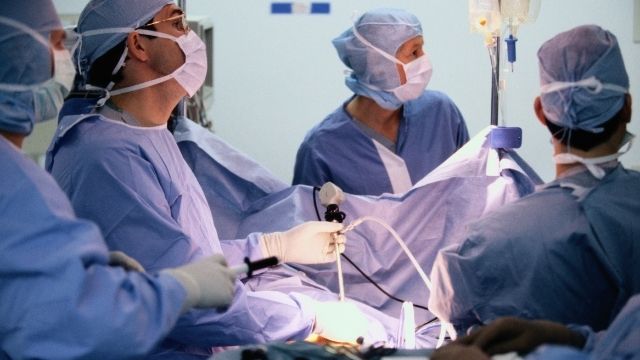
The procedures done on the ovaries, fallopian tubes or uterus to increase the chance of conception are called Fertility enhancing surgeries. They can be done by three approaches:
- Hysteroscopy – This allows the direct visualization of the inner part of uterine cavity. The following abnormalities can be corrected:
- Polyp (overgrowth of endometrial lining of uterus)
- Fibroid inside the uterus
- Uterine septa – a fibrous division of the cavity
- Adhesions inside the uterus which hinders pregnancy
- Part of the fallopian tube can be accessed and abnormalities corrected
- Laparoscopy – A camera is inserted into the abdominal cavity. The following abnormalities can be corrected:
- Ovarian cysts – endometriotic cysts , cystadenoma can be removed
- Fallopian tube – minor blocks can be corrected
- Uterus – Fibroid/ adenomyoma can be removed
- Robotic surgery – The advanced method of operating on abnormalities in the abdominal cavity is using surgical robots. They enhance the precision of operating with fewer side effects to the patients.
Not all conditions which decrease the chance of pregnancy require surgery. However, certain procedures such as removal of large fibroid in the uterus or removal of large ovarian cysts are proven to increase the chance of conception.
Who is the best doctor for fertility surgeries?
Dr Sneha J is a Gynecologist and the best fertility specialist. She has completed MD OBG from the top university AIIMS , Delhi and University fellowship in Fertility/ Reproductive medicine. She had further training in dealing with these conditions, as a visiting fellow at high output centres in Madrid, Spain and Chicago,USA. A Gynaecologist with training in Reproductive Medicine and fertility enhancing surgeries is best for performing such procedures.
Frequently Asked Questions
No. Surgery is not necessary for every condition that affects fertility. It is generally considered when a specific structural abnormality is identified and correcting it is expected to improve the chances of conception. Fertility-enhancing surgery should therefore be recommended only after an individual evaluation.
Yes. Polyps inside the uterine cavity can sometimes interfere with implantation or pregnancy. When clinically appropriate, hysteroscopic removal can correct the abnormality and may improve reproductive outcomes. Uterine polyp removal is performed through the uterine cavity without making an abdominal incision.
Yes, but not every fibroid requires surgery. The location and size of the fibroid are important when deciding whether removal could improve fertility. The page specifically notes that removal of a large uterine fibroid can increase the chance of conception in appropriate patients.
Yes. Intrauterine adhesions can alter the normal uterine cavity and may interfere with implantation or pregnancy. Hysteroscopy allows the specialist to directly visualize the cavity and, when appropriate, treat uterine adhesions.
In selected patients, surgery may be considered for ovarian cysts such as endometriotic cysts. However, ovarian surgery can also affect ovarian reserve, so the potential benefits and risks need to be carefully weighed before endometriotic cyst surgery is recommended.
Certain minor tubal abnormalities may be treatable through minimally invasive surgery. Whether correction is appropriate depends on the location and extent of the blockage, the condition of the other tube, age, and other fertility factors. Fallopian tube surgery should therefore be individualized rather than routinely performed.
Robotic surgery is an advanced approach that uses surgical robotic technology to enhance precision when operating inside the abdomen. The page notes that it can provide greater precision with fewer side effects in selected cases. Robotic fertility surgery may therefore be considered when the condition and surgical complexity make it appropriate.
Yes. Hysteroscopy allows the doctor to directly visualize the inside of the uterine cavity, which can help identify abnormalities such as polyps, cavity fibroids, septa, and adhesions. Hysteroscopy for infertility may therefore provide information that cannot always be obtained from routine imaging alone.
In selected cases, removing a large ovarian cyst may improve the reproductive environment or remove an abnormality that could interfere with fertility. The decision must also consider ovarian reserve and the possible impact of surgery, so ovarian cyst removal for fertility should be based on an individualized assessment.
How does a fertility specialist decide whether I need hysteroscopy, laparoscopy, or robotic surgery?
The choice depends on where the suspected abnormality is located and what needs to be corrected. Hysteroscopy is used to access the uterine cavity, laparoscopy is used to evaluate and treat structures within the abdomen and pelvis, while robotic surgery can provide an advanced approach for selected abdominal procedures. A fertility surgery consultation helps determine the most appropriate method.