Semen Analysis and DFI Test: Complete Guide to Male Fertility Evaluation
When couples struggle to conceive, attention often focuses on female fertility. However, nearly 40–50% of infertility cases involve male factors. A proper male fertility assessment begins with a Semen Analysis Test, and in some cases, a more advanced test called the DNA Fragmentation Index (DFI) test.
At Orchidz Health, we emphasize comprehensive male fertility evaluation to identify hidden causes and improve pregnancy success rates.
This detailed guide explains everything about semen analysis and sperm DNA fragmentation testing — what they measure, why they matter, and how they impact fertility treatment outcomes.
Understanding Male Fertility
For natural conception to occur, sperm must:
- Be produced in adequate numbers
- Have proper movement (motility)
- Have healthy shape (morphology)
- Carry intact DNA
Even if sperm count appears normal, underlying DNA damage can affect fertilization, embryo development, and miscarriage risk. This is where DFI testing becomes important.
What is a Semen Analysis Test?
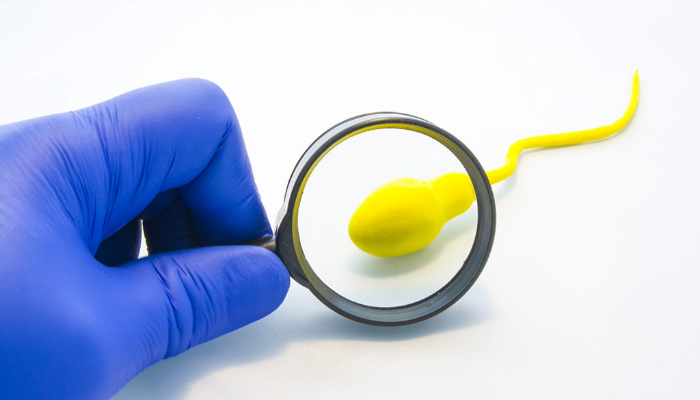
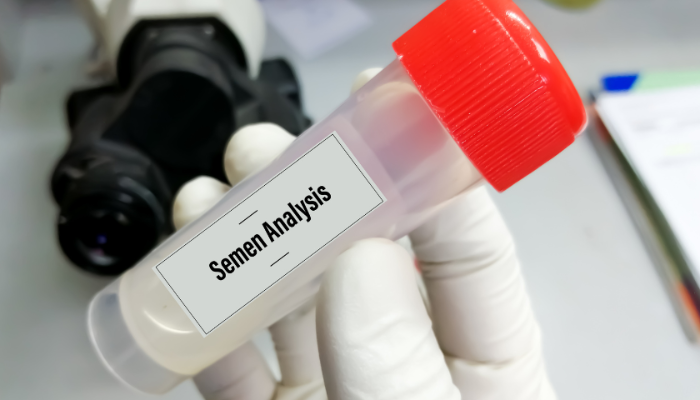
A Semen Analysis is the first and most basic male fertility test. It evaluates the quality and quantity of sperm in a semen sample.
What Does Semen Analysis Measure?
1. Sperm Count (Concentration)
The number of sperm per milliliter of semen. Low sperm count may reduce pregnancy chances.
2. Sperm Motility
The percentage of sperm that move actively and efficiently. Poor motility reduces the ability to reach the egg.
3. Sperm Morphology
The shape and structure of sperm. Abnormal shapes may impair fertilization.
4. Semen Volume
Normal ejaculate volume supports sperm transport.
5. Liquefaction Time
Measures how quickly semen becomes liquid after ejaculation.
6. pH Level
Helps assess infection or gland dysfunction.
7. Presence of White Blood Cells
May indicate infection or inflammation.
A standard semen analysis provides valuable insight — but it does not evaluate sperm DNA quality.
What is a DFI (DNA Fragmentation Index) Test?
The DNA Fragmentation Index (DFI) Test is an advanced sperm test that measures the percentage of sperm with damaged or fragmented DNA.
Even if sperm count and motility are normal, high DNA fragmentation can:
- Reduce fertilization rates
- Affect embryo quality
- Increase miscarriage risk
- Lower IVF success rates
The DFI test provides deeper insight into sperm health at a genetic level.
Why is DNA Integrity Important?
Sperm DNA carries half of the genetic material needed to form a healthy embryo. If DNA strands are damaged:
- Embryo development may fail
- Implantation may not occur
- Early miscarriage risk increases
- Repeated IVF failures may happen
Therefore, DFI testing is crucial in cases of unexplained infertility or repeated pregnancy loss.
When Should You Do a DFI Test?
Doctors may recommend a DFI test if:
- Repeated IVF failures
- Recurrent miscarriages
- Unexplained infertility
- Advanced paternal age
- Varicocele
- Smoking or lifestyle risk factors
- Borderline semen analysis results
It helps guide treatment strategies effectively.
What Causes High DNA Fragmentation?
Several factors can damage sperm DNA:
- Smoking
- Alcohol consumption
- Obesity
- High stress levels
- Environmental toxins
- Heat exposure (laptops, hot baths)
- Varicocele
- Infections
- Advanced age
Identifying these causes allows for targeted treatment.
How is the DFI Test Done?
The DFI test requires a semen sample, similar to standard semen analysis.
The sample is processed in a specialized laboratory using techniques such as:
- SCSA (Sperm Chromatin Structure Assay)
- TUNEL assay
- Comet assay
Results are expressed as a percentage.
Understanding DFI Results
Low DFI (<15%)
Excellent sperm DNA quality
High probability of natural conception
Moderate DFI (15–30%)
Some DNA damage
Fertility may be slightly affected
High DFI (>30%)
Significant DNA fragmentation
Lower chances of natural conception
Higher risk of miscarriage
Treatment options can improve outcomes even with high DFI.
Can High DFI Be Treated?
Yes, in many cases.
Lifestyle Modifications
- Stop smoking
- Reduce alcohol
- Improve diet
- Exercise regularly
- Manage stress
Medical Treatment
- Antioxidant therapy
- Treatment of infections
- Varicocele correction surgery
Advanced Fertility Techniques
- ICSI (Intracytoplasmic Sperm Injection)
- Use of advanced sperm selection methods
- Testicular sperm extraction in selected cases
Early diagnosis improves success rates significantly.
How to Prepare for Semen Analysis or DFI Test
Before the test:
✔ Abstain from ejaculation for 2–5 days
✔ Avoid alcohol and smoking
✔ Avoid fever or infection during testing period
✔ Inform doctor about medications
Proper preparation ensures accurate results.
Why Male Fertility Testing is Important
Ignoring male fertility testing can delay diagnosis and treatment.
Early semen analysis and DFI testing:
- Save time
- Reduce emotional stress
- Improve IVF success
- Help choose correct treatment plan
At Orchidz Health, we offer comprehensive male fertility evaluation using advanced diagnostic techniques.
Frequently Asked Questions (FAQs)
1. What is a normal sperm count?
A normal sperm concentration is generally above 15 million sperm per milliliter.
2. What is a good DFI percentage?
A DFI below 15% is considered ideal.
3. Can I conceive naturally with high DFI?
It may be difficult, but treatment and lifestyle changes can improve outcomes.
4. Is DFI testing necessary for everyone?
Not always. It is recommended in cases of unexplained infertility, IVF failure, or recurrent miscarriage.
5. How long does semen analysis take?
The test itself is quick, but results are usually available within 1–2 days.
6. Does DFI affect IVF success?
Yes. High DNA fragmentation may reduce fertilization and implantation rates.
7. Can antioxidants reduce DNA fragmentation?
Yes, antioxidant therapy often helps improve sperm DNA integrity.
8. Does age affect sperm DNA?
Yes, DNA fragmentation tends to increase with age.
9. Is semen analysis painful?
No. It only requires a semen sample.
10. How often should semen testing be repeated?
If abnormal, doctors may repeat testing after 2–3 months since sperm production cycles last around 74 days.
Final Thoughts
Male fertility is equally important in the journey toward parenthood. A basic semen analysis provides essential information, but advanced testing like the DNA Fragmentation Index (DFI) test offers deeper insight into sperm quality.
If you are facing infertility challenges, repeated IVF failures, or miscarriages, comprehensive male fertility testing at Orchidz Health can help identify the cause and guide the right treatment plan.
Early evaluation leads to better outcomes — and brings you closer to achieving a healthy pregnancy.