
Azoospermia
Infertility is usually defined as the inability of a couple to conceive even after one year of unprotected, frequent sexual intercourse. Male factor can be the cause in nearly 40-50% of infertile couples.
Azoospermia means complete absence of sperms in semen.
Cryptozoospermia means presence of a very few sperms (1-5 sperms) in centrifuged semen sample.
Oligospermia means less than 15 million sperms /ml.
Teratozoospermia / Teratospermia means less than 4 % of normal forms of sperm.
Asthenospermia means progressive motility of sperms being less than 32%.
Oligo-astheno-teratospermia (OAT) is the combination all three sperm abnormalities.
A comprehensive analysis published in 2017 reported a significant decline in sperm counts by 50–60% between 1973 and 2011 among men from North America, Europe, Australia and New Zealand. This is an alarming trend highlighting the significant decline in male reproductive health.
Does cellphone affect sperms?
Studies have shown that radiofrequency electromagnetic fields generated by our daily-use devices such as laptop, cellphone, television, Wifi, microwave have deleterious effects on sperm parameters by inducing oxidative stress with an increased level of reactive oxygen species, leading to infertility.
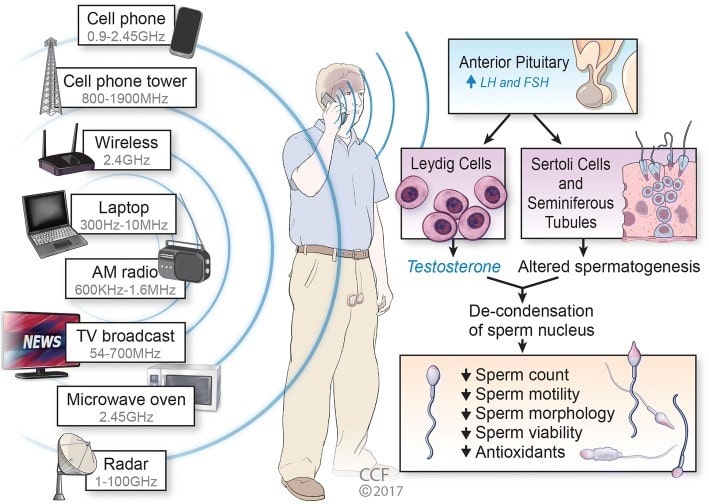
Image reference: Kesari KK, Agarwal A, Henkel R. Radiations and male fertility. Reprod Biol Endocrinol 2018 Dec 9;16(1):118.
What is the best treatment for zero sperm?
The best treatment for azoospermia (zero sperm) depends on the identifiable cause. All azoospermia (zero sperm) unless proved otherwise are considered to have non-obstructive cause. After optimising fertility hormone profile, sperms have to be surgically retrieved from testis or epididymis which will then be used for IVF-ICSI. In the event of no sperms found in testis and epididymis after extensive search, a decision to use donor sperms should have been done by the couple prior to the surgical sperm retrieval.
What are the various surgical sperm retrieval techniques ?
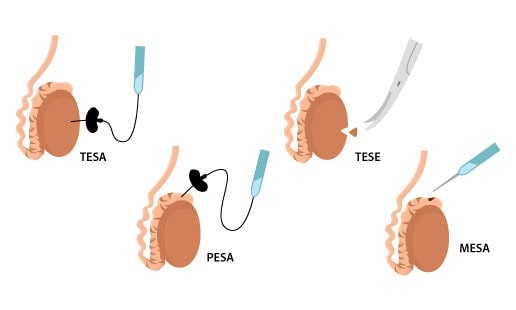
- TESA : Testicular Sperm Aspiration using a syringe.
- TESE: Testicular Sperm Extraction by opening the scrotum.
- PESA: Percutaneous Sperm Aspiration using a syringe.
- MESA: Microscopic Epididymal Sperm Aspiration
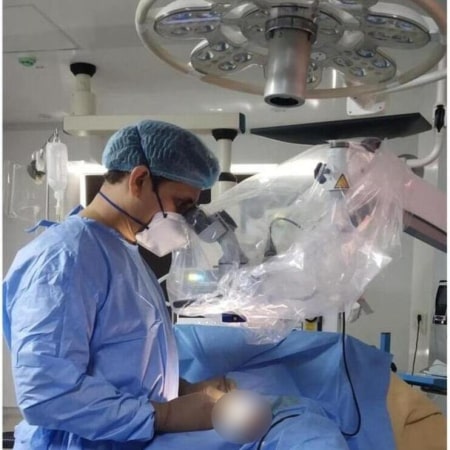
- MicroTESE: Microscopic Testicular Sperm Extraction by opening the scrotum and bivalve the testis for extensive search for sperms under surgical microscope.
Can azoospermia be cured?
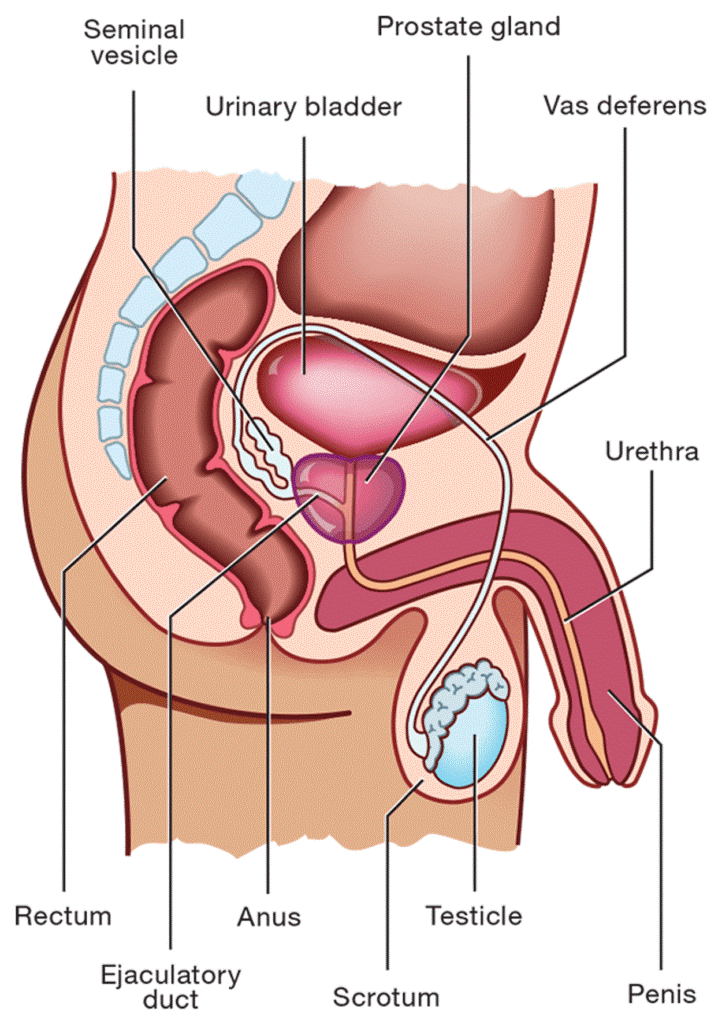
If the cause for azoospermia is short-segment obstruction (blockage) of reproductive tract, then it may be surgically corrected, and azoospermia cured. For instance, if the azoospermia is due to ejaculatory duct obstruction diagnosed on TRUS scan or MRI scan, then transurethral resection of ejaculatory duct (TUR-ED) may cure the azoospermia. If the azoospermia is due to short segment block in epididymis or vas deferens in scrotum, then a meticulous microscopic reconstructive surgery (VEA, VVA) may cure the azoospermia.
Who is the best doctor for Azoospermia ?
Dr Pramod Krishnappa is the best andrologist dealing with Men’s’ Sexual Health and Male Fertility. He has been trained extensively in high volume Andrology centres in Madrid (Spain), Belgrade, Budapest, Chicago, and New York.
Dr Pramod Krishnappa has undergone microsurgical training and a dedicated male infertility fellowship under Prof Dr Craig Niederberger at the University of Illinois at Chicago (UIC), who was the Chief Editor of “Fertility Sterility” Journal, the official journal of the American Society of Reproductive Medicine (ASRM).
Frequently Asked Questions
Yes. Azoospermia does not always mean that biological fatherhood is impossible. Depending on the underlying cause, sperm may sometimes be retrieved from the testis or epididymis and used for assisted reproduction. Azoospermia treatment therefore depends heavily on identifying whether sperm production or sperm transport is affected.
The doctor may evaluate the medical history, physical findings, hormone profile, semen analysis, and appropriate imaging when indicated. Investigations such as TRUS or MRI may help identify certain reproductive-tract blockages, making obstructive azoospermia diagnosis important before deciding on surgery or sperm retrieval.
In selected cases, yes. If the obstruction is short and surgically accessible, reconstructive procedures may restore the passage of sperm. Depending on where the blockage occurs, procedures such as VEA, VVA, or transurethral treatment may be considered as part of azoospermia surgery.
If sperm are not identified during an initial retrieval, the next step depends on the underlying diagnosis, previous procedure, and extent of the search. In selected cases, a more extensive microscopic search may be considered, including micro-TESE for azoospermia, before deciding on alternative reproductive options.
Yes. Conventional TESE involves extracting testicular tissue to look for sperm, whereas micro-TESE uses a surgical microscope to examine the testicular tissue more extensively for areas that may contain sperm. Micro-TESE treatment may be considered in selected men with non-obstructive azoospermia.
Yes. Azoospermia means complete absence of sperm in the semen, whereas cryptozoospermia refers to the presence of only a very small number of sperm after centrifugation. Identifying the exact semen abnormality is important when planning male fertility treatment.
In selected cases, yes. Depending on the location and cause of the sperm blockage, techniques such as PESA or MESA may be considered to retrieve sperm from the epididymis. Epididymal sperm retrieval can then potentially provide sperm for assisted reproductive treatment when appropriate.
A permanent correction may be possible when azoospermia is caused by a surgically correctable obstruction. The page specifically describes situations involving short-segment blockages in the epididymis, vas deferens, or ejaculatory duct where reconstructive or transurethral surgery may restore sperm passage. Obstructive azoospermia surgery is therefore different from treatment for problems involving sperm production.
Yes. The page recommends that couples discuss and make a decision about donor sperm before surgical retrieval, particularly because sperm may not always be found during an extensive search. Having a plan for donor sperm treatment can help couples understand their reproductive options before proceeding.
Dr. Pramod Krishnappa has dedicated training in male infertility and microsurgery, including a male-infertility fellowship at the University of Illinois at Chicago and training in high-volume andrology centres internationally. This specialist background is relevant to patients seeking azoospermia specialist care, particularly when surgical sperm retrieval or reconstruction is being considered.