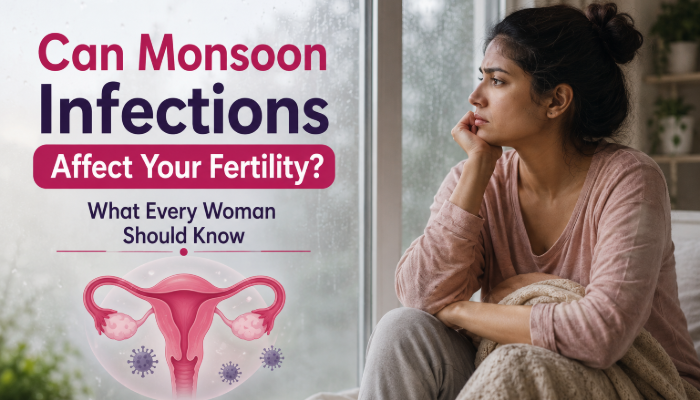
Can Monsoon Infections Affect Your Fertility? What Every Woman Should Know
The monsoon season brings much-needed relief from the summer heat, but it also creates ideal conditions for bacteria, fungi, and viruses to thrive. Increased humidity, damp clothing, poor hygiene, and contaminated water can raise the risk of infections, especially those affecting the urinary and reproductive systems.
Many women experience recurrent urinary tract infections (UTIs), vaginal yeast infections, or bacterial infections during the rainy season. While most of these infections can be treated effectively, ignoring them or delaying treatment may lead to complications that can impact reproductive health and, in some cases, fertility.
At Orchidz Health, we believe that awareness and early medical care are the keys to protecting your reproductive health. In this article, we’ll explain how common monsoon infections can affect fertility, the warning signs to watch for, and practical steps to keep yourself healthy.
Why Are Infections More Common During the Monsoon?
Warm temperatures and high humidity create an environment where bacteria and fungi grow more easily. Staying in wet clothes for long periods, poor ventilation, and changes in personal hygiene habits can also increase the risk of infection.
Women are particularly susceptible because the female urinary tract is shorter, making it easier for bacteria to enter the bladder. Hormonal changes, diabetes, pregnancy, and a weakened immune system can further increase the risk.
Common Monsoon Infections That Can Affect Women’s Health
1. Urinary Tract Infection (UTI)
A UTI occurs when bacteria enter the urinary tract and multiply.
Common Symptoms
- Burning sensation while passing urine
- Frequent urge to urinate
- Lower abdominal discomfort
- Cloudy or foul-smelling urine
- Fever in severe cases
A simple UTI usually does not affect fertility, but recurrent or untreated infections may spread to the kidneys or contribute to pelvic infections that require prompt medical care.
2. Vaginal Yeast Infection
Humidity and prolonged moisture can encourage the overgrowth of yeast, leading to fungal infections.
Symptoms Include
- Intense itching
- Thick white discharge
- Redness
- Burning sensation
- Pain during intercourse
Although yeast infections do not directly cause infertility, repeated infections can affect comfort, sexual health, and quality of life. Persistent symptoms should always be evaluated by a gynecologist.
3. Bacterial Vaginosis (BV)
Bacterial vaginosis occurs when the normal balance of bacteria in the vagina is disrupted.
Symptoms
- Thin grey or white discharge
- Fishy odour
- Mild irritation
- Burning while urinating
BV has been associated with pregnancy complications and may increase the risk of pelvic infections if left untreated.
4. Pelvic Inflammatory Disease (PID)
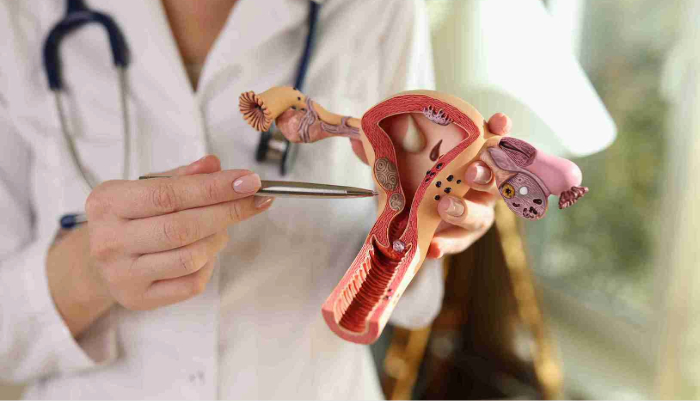
Pelvic inflammatory disease is an infection involving the uterus, fallopian tubes, or ovaries. It can develop if certain vaginal or sexually transmitted infections spread to the upper reproductive tract.
Symptoms
- Lower abdominal pain
- Fever
- Pain during intercourse
- Abnormal vaginal discharge
- Irregular bleeding
PID can cause scarring of the fallopian tubes, increasing the risk of infertility and ectopic pregnancy. Early diagnosis and treatment are essential.
Can Monsoon Infections Really Affect Fertility?
Most common infections, when diagnosed and treated early, do not cause infertility.
However, untreated or recurrent infections can lead to:
- Chronic inflammation
- Pelvic inflammatory disease
- Scarring of the fallopian tubes
- Difficulty conceiving
- Increased risk of pregnancy complications
The risk depends on the type of infection, how long it remains untreated, and whether it spreads beyond the lower reproductive tract.
Who Is at Higher Risk?
You may be more prone to infections during the monsoon if you:
- Have diabetes
- Are pregnant
- Have PCOS or hormonal imbalances
- Frequently experience recurrent UTIs
- Wear tight, non-breathable clothing
- Have a weakened immune system
- Delay treatment despite symptoms
Early Warning Signs You Should Never Ignore
Consult a gynecologist if you experience:
- Persistent burning while urinating
- Foul-smelling vaginal discharge
- Severe itching or irritation
- Lower abdominal or pelvic pain
- Fever with urinary symptoms
- Pain during intercourse
- Bleeding between periods
- Recurrent infections
Prompt treatment can help prevent complications and protect reproductive health.
Prevention Tips During the Monsoon
- Drink plenty of water to help flush bacteria from the urinary tract.
- Avoid staying in wet clothes for long periods.
- Wear breathable cotton underwear.
- Maintain good intimate hygiene, but avoid harsh soaps or vaginal douching.
- Change sanitary products regularly during menstruation.
- Urinate after sexual intercourse if advised by your healthcare provider.
- Manage diabetes and other medical conditions effectively.
- Seek medical advice early if symptoms develop instead of self-medicating.
When Planning a Pregnancy
If you’re trying to conceive, don’t ignore recurring infections. A preconception consultation can help identify and treat conditions that may affect fertility or pregnancy.
Your gynecologist may recommend:
- A detailed medical history
- Pelvic examination
- Urine or vaginal tests if indicated
- Screening for underlying conditions
- Guidance on maintaining reproductive health before conception
Frequently Asked Questions
Can a UTI cause infertility?
A simple UTI usually does not cause infertility. However, untreated infections that spread and lead to pelvic inflammatory disease may affect fertility.
Are yeast infections dangerous during pregnancy?
Yeast infections are common during pregnancy and are usually treatable, but pregnant women should always consult their healthcare provider before using any medication.
Can bacterial vaginosis affect pregnancy?
Bacterial vaginosis has been linked to certain pregnancy complications, making early diagnosis and treatment important.
How can I reduce my risk of infections during the monsoon?
Good personal hygiene, staying dry, drinking enough water, wearing breathable clothing, and seeking timely medical care can help reduce the risk.
When should I see a gynecologist?
If symptoms persist, recur frequently, or are associated with fever, pelvic pain, abnormal bleeding, or unusual discharge, seek medical evaluation promptly.
Conclusion
The monsoon season may increase the risk of urinary and vaginal infections, but with the right precautions and timely medical care, most infections can be treated effectively without affecting long-term fertility. The key is to recognise symptoms early, avoid self-medication, and seek professional advice when needed.
Protecting your reproductive health today can make a significant difference to your future fertility and overall well-being.
At Orchidz Health, our experienced gynecologists and fertility specialists provide comprehensive care for women’s health concerns, from infection management and preventive care to fertility evaluation and pregnancy planning. If you’re experiencing recurrent infections or planning to start a family, we’re here to support you with personalised, evidence-based care every step of the way.