
Erectile dysfunction
Erectile dysfunction or impotence is the inability of a man to achieve or maintain a penile erection hard enough for satisfactory sexual intercourse.
A study from John Hopkins Baltimore revealed the prevalence of erectile dysfunction was 5.1% in men aged 20-39 years, 14.8% in men aged 40-59 years, 43.8% in men aged 60-69 years and 70.2% in men above 70 years of age (Selvin E, Am J Med 2007).
Erectile dysfunction could be psychological or organic but do not hesitate to seek early medical care from an andrologist.
Erectile dysfunction can lead to many physical and mental consequences affecting a relationship. Young couples may face infertility issues due to unconsummation of marriage. Unconsummation means a heterosexual couple who have not had a penetrative intercourse in the relationship.
#Unconsummated marriage.
Some of the common causes of erectile dysfunction which we see in our clinical practice in Bengaluru / Bangalore are:
- Psychological
- Lack of awareness of the functioning of sexual organs
- Lack of confidence
- Performance anxiety
- Troubled relationship
- Forced
- Diabetes, hypertension
- Smoking, Excessive alcohol drinking
- Peyronie’s disease
- Anatomical problems of penis: phimosis, infection, tight frenulum
- Previous pelvic or penile surgeries
- Previous road traffic accident/ pelvic injury
- Obesity
- Low testosterone hormone
Why do I keep losing my erection ?
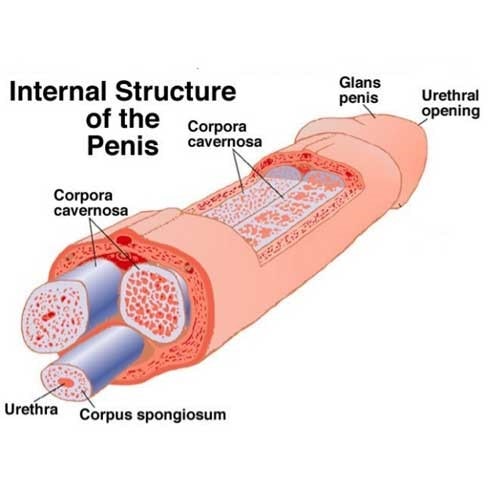
Penile erection is a neurological and vascular phenomenon modulated by psychological and hormonal factors, resulting in relaxation of corporal smooth muscles, arterial dilation and venous restriction. A man can lose his erection primarily due to two things: the blood entering the penis is too less or the blood which has entered the penile corpora cavernosa compartment is moving out very soon.
Basic evaluation:
- Physical examination
- Blood tests to optimize sugars, cholesterol and testosterone hormone
- Penile doppler ultrasound scanning
Can erectile dysfunction be an early marker of heart attack or cardiac problem?
A study published in American Heart Association Journal (Uddin SMI et al) cautioned that patients with erectile dysfunction experience significantly higher incidence of coronary heart disease when compared to patients without ED (3.4% versus 1.4%).
An another multicentric study from UK and USA (Martin M et al) recommended that the erectile dysfunction due to vascular cause should be regarded as a harbinger of silent or future cardiovascular disease. Hence intermediate risk and high risk group patients may undergo cardiology evaluation.
Treatment options: (How can I fix my erectile dysfunction problem?)
Treatment usually depends on the cause and is individualized depending on many factors like frequency of sexual frequency, physical disabilities, coexisting other medical conditions and so on.
- Oral medications to improve the blood supply to the penis
- Penile self- injections
- Platelet rich plasma (PRP) Injections (P shot)
- Vacuum erection pumps/ devices
- Psychosexual counseling/ couple counseling
- Penile Implant Surgeries: Semirigid / malleable and inflatable.
Is there a cure for ED? Is ED curable without Viagra?
Lifestyle changes for 6 months, short course oral medications, restorative therapy like PRP injection (P shot) or penile implant surgery may offer cure for ED.
Which doctor is best for erectile dysfunction or impotence?
Dr Pramod Krishnappa is the best andrologist dealing with Men’s’ Sexual Health and Male Fertility. He has been trained extensively in high volume Andrology centres in Madrid (Spain), Belgrade, Budapest, Chicago, and New York. It is preferable to consult a urologist who is exclusively trained or specialized in Andrology to seek treatment for erectile dysfunction.
Frequently Asked Questions
An erection depends on coordinated blood flow, nerve signals, hormonal factors, and psychological influences. Some men lose an erection because insufficient blood remains within the erectile tissue, while others may have inadequate blood entering the penis. Erectile dysfunction evaluation can help identify the underlying reason.
It can sometimes be associated with underlying cardiovascular disease, particularly when the ED has a vascular cause. The page notes that erectile dysfunction may precede clinically recognized cardiovascular disease in some men, so appropriate ED and heart health evaluation may be advisable for men with relevant cardiovascular risk factors.
Yes. Performance anxiety, lack of confidence, relationship difficulties, and limited understanding of sexual functioning can contribute to ED. In such situations, identifying the psychological component is important, and psychological erectile dysfunction treatment may include appropriate counselling or sex therapy.
Yes. Severe or persistent erection difficulties can sometimes prevent penetrative intercourse and may contribute to an unconsummated marriage. Early assessment can help identify whether the problem is related to psychological factors, physical conditions, or both, making unconsummated marriage treatment an important consideration for some couples.
The page lists physical examination, blood tests to assess factors such as sugar, cholesterol and testosterone, and penile Doppler ultrasound as part of the basic evaluation. The exact investigations depend on the patient's symptoms and medical history, making ED diagnostic tests an individualized process.
Yes. These are among the physical and lifestyle factors listed on the page as possible contributors to ED. Managing these conditions and modifying risk factors can form an important part of erectile dysfunction management alongside specific sexual-health treatment.
Yes. The page identifies previous pelvic or penile surgery and previous road-traffic accidents or pelvic injuries among possible causes. A detailed history can help determine whether nerve, vascular, anatomical, or other damage may be contributing to ED after pelvic surgery or injury.
No. Testosterone is one factor involved in sexual function, but erection depends on several interacting systems, including vascular, neurological, psychological, and hormonal mechanisms. Low testosterone and erectile dysfunction should therefore be evaluated as part of the overall clinical picture rather than assumed to be the only cause.
Yes. The page lists Peyronie's disease and anatomical penile conditions such as phimosis, infection, and a tight frenulum among possible contributors to ED. Treating the underlying condition may therefore be relevant when planning male sexual health treatment.
A consultation is worth considering when erection difficulties are persistent, repeatedly interfere with sexual activity, affect a relationship, or occur alongside conditions such as diabetes, hypertension, obesity, or other cardiovascular risk factors. Early erectile dysfunction consultation can help identify the cause and avoid delaying appropriate treatment.