
Prostate Health and Cancer Screening
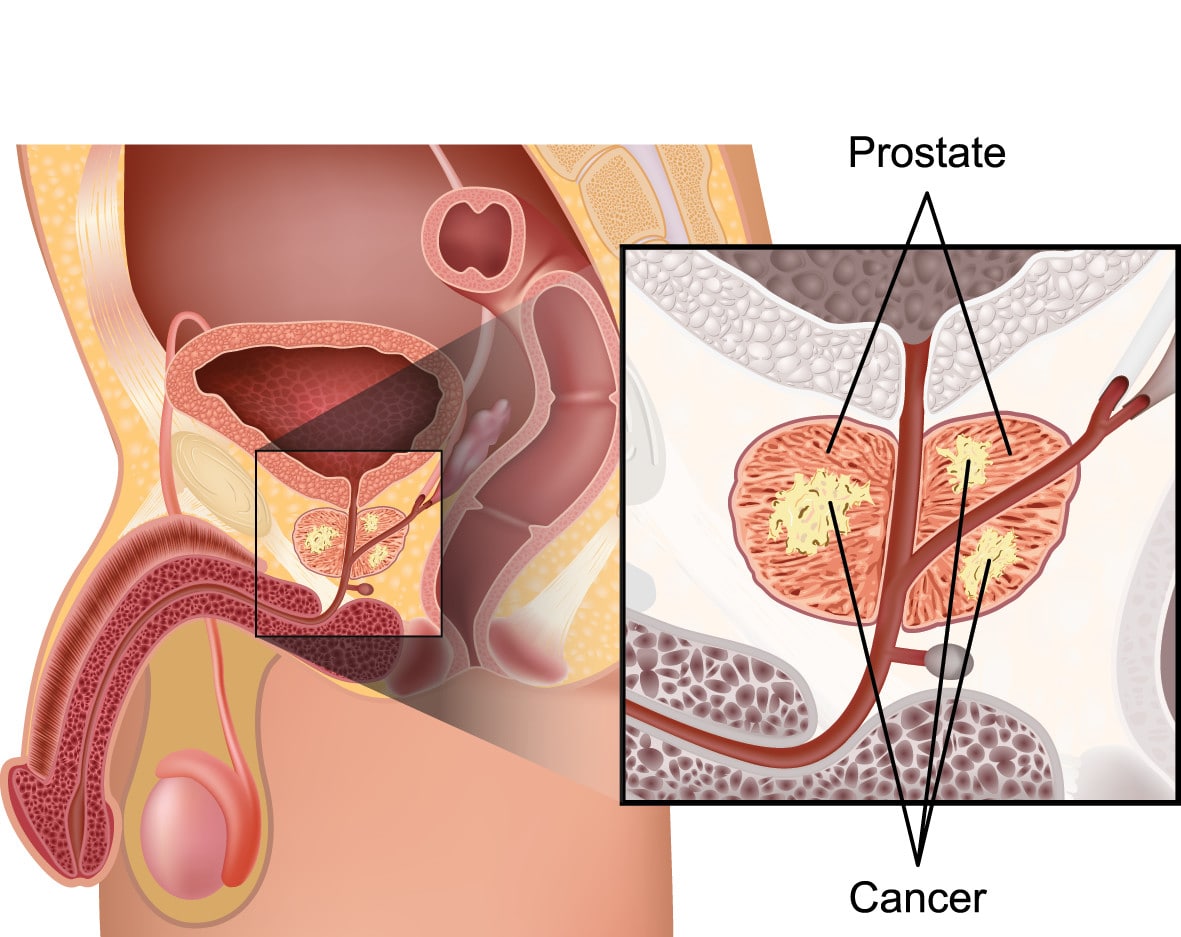
The main function of the prostate gland is to secrete fluid for the semen and hence is a part of the male reproductive system. Prostate is present only in men and not in women. It is situated below the urinary bladder and encircles a urine carrying tube called as prostatic urethra. Hence any abnormal enlargement of prostate or abnormal angulation of prostate-bladder neck junction can lead to obstruction to the urine flow.
The most common prostate health related problems are non-cancerous. Enlarged prostate (benign prostatic hyperplasia – BPH) or an infection or inflammation of the prostate (prostatitis) are the two common non-cancerous conditions which can give bothersome symptoms in men.

How do I know if my prostate is OK?
Some of the common symptoms experienced by men with prostate enlargement are poor urinary flow (slow stream), sensation of incomplete emptying of urine (residual urine), nocturia (excess urination at night), hesitancy (takes longer time to initiate urination), intermittent flow, dribbling of urine, urinary tract infection and rarely urinary blockage (urinary retention) requiring emergency catheter insertion to drain the urine.
What are the basic tests done to check the prostate health?
- Digital finger examination by the urologist to check the consistency of prostate
- Blood PSA test and Urine analysis
- Ultrasound scan to check prostate size and residual urine
- Uroflowmetry test to check your urine speed
Is enlarged prostate serious ?
Not all enlarged prostates are serious. Treatment of enlarged prostate depends on the symptoms, amount of residual urine, urinary speed and blood/ urine reports. Most enlarged prostates are non-cancerous in nature but men should not hesitate to consult an urologist.
Can prostate issues cause infertility in young men ?
Since the main function of prostate is to secrete fluid to the semen, any recurrent or persistent infections in the prostate can cause infertility issues in young couples planning to conceive. Physical examination, urine analysis, semen analysis and TRUS scan will help the andrologist decide the right treatment for infection of prostate.
What is prostate cancer?
Prostate cancer arises when abnormal cells in the prostate gland start to grow and multiple rapidly. Not all abnormal growths are cancerous (malignant). Cancerous growths, such as prostate cancer, can invade nearby organs such as the bladder or rectum and spread (metastasize) to other parts of the body like lymph nodes, bones, liver or the lungs.
At what age is the prostate cancer common?
Prostate cancer risks increase with age. More than half of all prostate cancer is found in men older than 65 years. Prostate cancer is rare in men under the age of 50.
Is Prostate cancer serious?
Prostate cancer is the second common cause of cancer death in American men, behind only lung cancer. Exact data of prostate cancer in India is not available as cancer reporting system is not robust. About 1 man in 41 will die of prostate cancer. Prostate cancer can be a serious disease, but most men diagnosed with prostate cancer do not die due to prostate cancer disease but rather due to associated comorbid conditions.
Frequently Asked Questions
Yes. Difficulty starting urination, also called hesitancy, is listed among the symptoms that can occur with prostate enlargement. Other urinary changes can include a slow stream, intermittent flow and dribbling. Prostate health should be assessed if these symptoms persist or interfere with normal urination.
Frequent urination at night, known as nocturia, is one of the urinary symptoms associated with prostate enlargement on the page. Because similar symptoms can have different causes, persistent nighttime urination should be discussed with a urologist. Enlarged prostate symptoms can be evaluated using the appropriate clinical assessment.
PSA is one of the blood tests listed on the page as part of basic prostate-health evaluation. However, the page presents PSA alongside other assessments such as physical examination, urine analysis, ultrasound and uroflowmetry rather than as a standalone test. PSA testing for prostate health should therefore be interpreted by a qualified doctor in the context of your overall evaluation.
Uroflowmetry is listed on the page as a test used to measure urine speed. This can provide useful information when a man has symptoms suggesting difficulty with urinary flow. Uroflowmetry for prostate problems may therefore form part of the assessment when urinary symptoms are present.
It can be relevant to the assessment. The page lists residual urine as one of the symptoms associated with prostate enlargement and states that ultrasound can be used to check residual urine. Residual urine and enlarged prostate should be evaluated because the amount of urine left after urination can help the doctor assess the severity of the problem.
Yes. The page states that recurrent or persistent prostate infections can contribute to infertility problems in young couples planning to conceive because the prostate contributes fluid to semen. Physical examination, urine analysis, semen analysis and TRUS may help an andrologist decide on appropriate management. Prostatitis and male infertility should therefore be evaluated when fertility concerns coexist with persistent prostate symptoms.
No. The page emphasizes that most enlarged prostates are non-cancerous and identifies benign prostatic hyperplasia and prostatitis as common non-cancerous prostate conditions. Benign prostate enlargement and prostate cancer are not the same condition, so urinary symptoms should be properly evaluated rather than assuming cancer.
The page states that prostate cancer is rare in men younger than 50 and that the risk increases with age, with more than half of cases occurring in men older than 65. Individual risk can vary, so concerns about prostate cancer risk should be discussed with a healthcare professional.
Yes. The page explains that cancerous prostate cells can invade nearby organs such as the bladder or rectum and can spread to other parts of the body, including lymph nodes, bones, liver or lungs. Prostate cancer screening and appropriate medical evaluation are important when there are concerns about prostate disease.
A consultation is appropriate when urinary symptoms such as a weak stream, difficulty starting urination, incomplete bladder emptying, nighttime urination, intermittent flow or dribbling persist. The page specifically advises men not to hesitate to consult a urologist when they have prostate-related concerns. Urologist for prostate problems can determine which examinations or tests are appropriate.