The Role of Lifestyle and Nutrition in Fertility
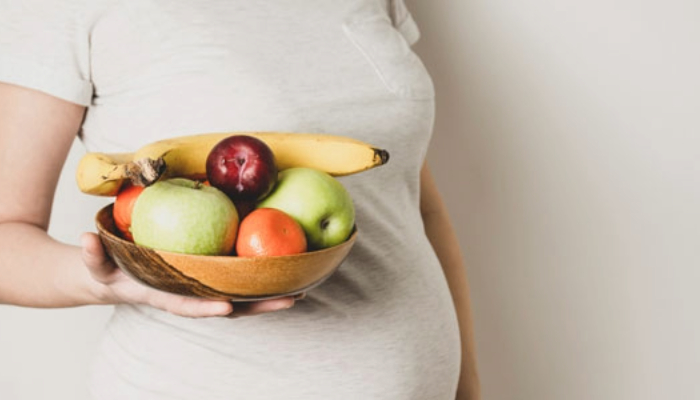
Fertility is influenced by multiple factors, including genetics, medical conditions, and environmental exposures. However, lifestyle choices and nutrition play a significant role in optimizing reproductive health for both men and women. Understanding how dietary habits, physical activity, stress management, and other lifestyle factors affect fertility can improve the chances of conception.
1. Nutrition and Fertility
Key Nutrients for Reproductive Health
1.1. Folic Acid
Folic acid is essential for DNA synthesis and cell division, making it crucial for healthy egg and sperm production.
Sources: Leafy greens, citrus fruits, legumes, and fortified grains.
1.2. Antioxidants (Vitamin C, Vitamin E, Selenium, and Zinc)
Oxidative stress can damage reproductive cells. Antioxidants help reduce oxidative stress, improving sperm quality and egg health.
Sources: Nuts, seeds, berries, and green vegetables.
1.3. Omega-3 Fatty Acids
These healthy fats support hormone production and improve egg quality and sperm motility.
Sources: Fatty fish (salmon, sardines), flaxseeds, walnuts, and chia seeds.
1.4. Iron and Vitamin B12
Deficiencies in iron and vitamin B12 have been linked to ovulatory issues.
Sources: Lean meats, eggs, dairy, fortified cereals, spinach, and lentils.
1.5. Protein Balance
A balanced intake of plant and animal protein sources supports hormonal regulation.
Sources: Lean meats, fish, dairy, legumes, and tofu.
2. Lifestyle Factors Affecting Fertility
2.1. Maintaining a Healthy Weight
Both underweight and overweight individuals may experience hormonal imbalances that affect ovulation and sperm production. Maintaining a balanced diet and regular exercise helps regulate reproductive hormones.
2.2. Exercise and Physical Activity
Moderate exercise can boost fertility by improving blood circulation, reducing stress, and regulating weight. However, excessive intense exercise may disrupt hormonal balance and menstrual cycles
.2.3. Managing Stress
High stress levels can lead to hormonal imbalances, reducing fertility.
Stress Management Techniques: Mindfulness, yoga, meditation, and deep breathing exercises.
2.4. Sleep Hygiene
Poor sleep patterns affect hormonal production, leading to reduced fertility.
Recommendation: Aim for 7–9 hours of quality sleep per night.
2.5. Avoiding Toxins and Harmful Substances
Limiting exposure to environmental toxins such as pesticides, plastics (BPA), and heavy metals is important.
Additional Recommendations: Reduce alcohol, caffeine, and tobacco consumption to enhance fertility outcomes.
3. Special Considerations for Men
While much focus is placed on female fertility, male reproductive health is equally crucial.
- Antioxidant-rich foods, zinc, vitamin C, and healthy fats improve sperm quality.
- Avoid excessive heat (saunas, hot tubs) as it can impact sperm motility.
- Reducing stress and maintaining a healthy lifestyle enhances sperm count and motility.
4. Conclusion
Adopting a fertility-friendly lifestyle involves a well-balanced diet, maintaining a healthy weight, managing stress, and avoiding harmful substances. Small but significant changes in daily habits can have a profound impact on reproductive health. If you’re experiencing fertility concerns, consulting a specialist can provide personalized guidance and treatment options.
For expert advice on fertility, nutrition, and reproductive health, contact Orchidz Health today!