Common Myths About Male Infertility Debunked
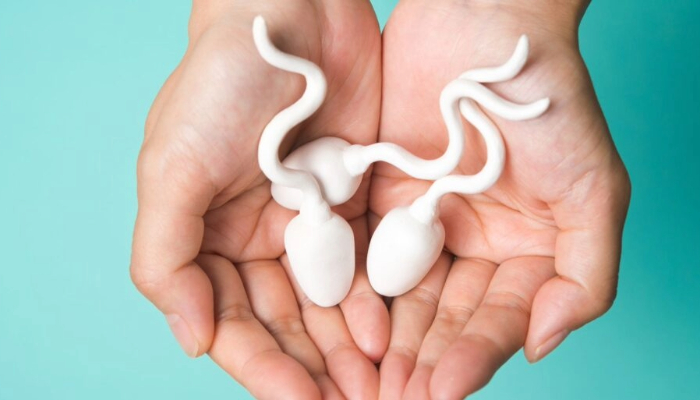
Male infertility is often misunderstood, leading to widespread myths and misconceptions. Let’s explore some of the most common myths and uncover the facts in detail.
Myth 1: Infertility is Always a Woman’s Problem
Fact:
Infertility is not just a female concern. Studies show that male factors contribute to nearly 50% of infertility cases. Many people mistakenly believe that if a couple struggles to conceive, the issue must lie with the woman. However, sperm health plays a crucial role in conception.
Factors affecting male fertility:
- Sperm count
- Sperm motility (movement)
- Sperm morphology (shape)
- Genetic integrity
Solution: Men experiencing fertility concerns should seek a semen analysis and consult an andrologist for evaluation.
Myth 2: If a Man Can Ejaculate, He is Fertile
Fact:
The ability to ejaculate does not guarantee fertility. Ejaculation simply means that semen is released from the body, but the quality and quantity of sperm in the semen are critical for conception.
Common sperm-related fertility issues:
- Low sperm count (Oligospermia)
- Poor sperm motility (Asthenozoospermia)
- Abnormal sperm morphology (Teratozoospermia)
Solution: A semen analysis is the best way to assess sperm health.
Myth 3: Lifestyle Choices Do Not Affect Male Fertility
Fact:
Lifestyle has a profound impact on sperm health. Unhealthy habits can negatively affect sperm production and quality.
Factors that harm fertility:
- Smoking and excessive alcohol consumption
- Drug use and obesity
- Poor diet and lack of exercise
- Stress and inadequate sleep
Solution:
Men looking to improve fertility should:
- Adopt a healthy, antioxidant-rich diet
- Exercise regularly
- Avoid harmful substances
- Manage stress effectively
Myth 4: Age Does Not Affect Male Fertility
Fact:
While men can produce sperm throughout their lifetime, fertility declines with age.
Effects of aging on male fertility:
- Reduced sperm motility and quality
- Higher risk of DNA fragmentation
- Increased chances of miscarriage and genetic disorders in offspring
Key insight: Sperm quality declines after age 40, making it essential for older men to monitor their reproductive health.
Myth 5: Wearing Tight Underwear Causes Infertility
Fact:
This myth has some basis in science but is often exaggerated.
What affects sperm production?
- The testicles need to be at a slightly lower temperature than the body for optimal sperm production.
- Prolonged heat exposure from hot tubs, saunas, and laptops can negatively impact sperm health.
Solution:
- Choose breathable fabrics like cotton
- Avoid prolonged heat exposure
Wearing tight underwear alone is unlikely to cause major fertility issues unless combined with other factors.
Myth 6: Supplements Alone Can Cure Male Infertility
Fact:
While certain vitamins and antioxidants can support sperm health, they are not a cure for infertility.
Common fertility-supporting nutrients:
Vitamin C, Vitamin E, Zinc, and CoQ10
However, infertility is a complex condition that may require:
- Hormone therapy
- Surgical correction of varicoceles
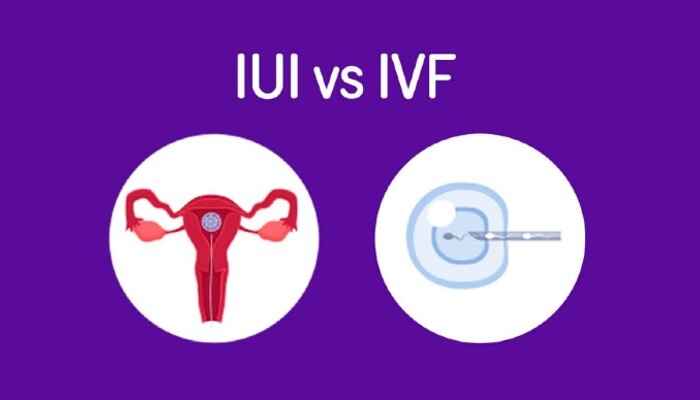
- Assisted reproductive technologies like IVF or ICSI
Solution: Men experiencing fertility concerns should consult an andrologist for a comprehensive evaluation rather than relying solely on supplements.
Myth 7: Male Infertility is Not Treatable
Fact:
Many causes of male infertility are treatable.
Treatment options include:
- Lifestyle modifications (diet, exercise, stress management)
- Medications to improve hormone levels
- Surgical interventions (for varicoceles or obstructions)
- Assisted reproductive techniques (IVF, ICSI, TESE)
Even in severe cases, modern reproductive medicine provides effective solutions for male infertility.
Conclusion
Male infertility is surrounded by myths that often lead to unnecessary stigma and stress. Understanding the facts can help couples make informed decisions and seek appropriate medical care.
Key Takeaways:
- Infertility is a shared responsibility between partners.
- Male infertility can be diagnosed and treated.
- Seeking professional help is the best step towards parenthood.
If you or your partner are facing fertility challenges, consult an andrologist at Orchidz Health today to explore the best possible treatment options tailored to your needs.