Understanding AMH: What Your Egg Reserve Test Really Tells You

Fertility is one of the most important aspects of a woman's health journey. As women today increasingly choose to delay childbirth, understanding reproductive hormones like Anti-Müllerian Hormone (AMH) becomes crucial. AMH gives insights into your ovarian reserve, which means the number of eggs you have left. Whether you're trying to conceive naturally, exploring IVF, or considering egg freezing, knowing your AMH level can guide important decisions about your reproductive future.
At Orchidz Health, one of the best fertility clinics in Bangalore, we prioritize empowering women with knowledge and care. Let’s break down what AMH means, how it affects fertility, and what you can do about it.
What is AMH?
AMH, or Anti-Müllerian Hormone, is produced by small follicles in a woman’s ovaries. These follicles contain immature eggs, and AMH acts as a marker of the number of eggs you still have. This makes it a reliable indicator of your ovarian reserve.
Unlike other hormones such as FSH (Follicle Stimulating Hormone), AMH levels remain relatively stable throughout the menstrual cycle, making it a convenient and consistent test.
Why is AMH Testing Important?
An AMH test is a simple blood test that offers valuable information for:
- Assessing Ovarian Reserve
Higher AMH levels generally mean you have more eggs, while lower levels may indicate a reduced reserve. However, quantity doesn’t always mean quality, so it’s one of several tools fertility specialists use. - Planning IVF Treatment
At Orchidz Health Bangalore, AMH levels help tailor your IVF treatment plan. It predicts how your ovaries might respond to stimulation, guiding medication dosages and protocols. - Diagnosing PCOS
Women with Polycystic Ovary Syndrome (PCOS) often have elevated AMH levels due to a higher number of small follicles that don’t mature properly. - Predicting Menopause
Low AMH levels may indicate that a woman is approaching menopause, especially if she’s over 35.
What Are Normal AMH Levels?
- AMH Level Interpretation
- Above 4.0 ng/mL May suggest PCOS or high ovarian reserve
- 1.0 – 4.0 ng/mL Normal – Healthy ovarian reserve
- Below 1.0 ng/mL Low ovarian reserve – May impact fertility
It's important to note that AMH levels are not the only measure of fertility. A full assessment includes ultrasound, hormone profiles, and medical history.
How Does Age Affect AMH?
As a woman ages, her AMH levels naturally decline. For example:
- In your 20s: AMH is usually high, indicating a healthy egg count.
- By your mid-30s: Levels begin to drop gradually.
- By your early 40s: Levels tend to be low, indicating diminished ovarian reserve.
This is why fertility experts at Orchidz Health Bangalore encourage AMH testing if you’re planning to delay pregnancy or are considering egg freezing or IVF.
AMH and IVF in Bangalore
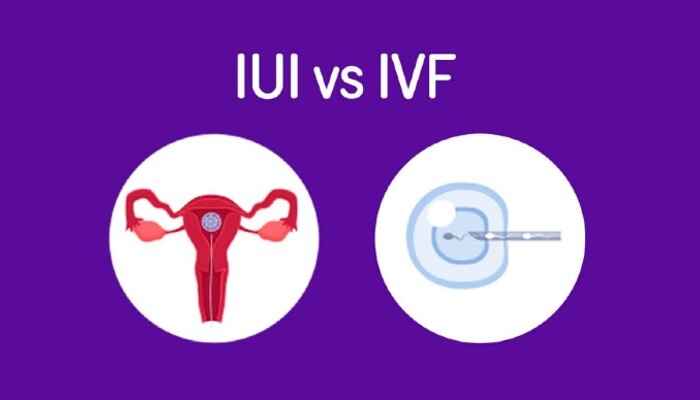
AMH testing is an essential tool for IVF planning. Here's how it helps:
- Low AMH: You may need a more aggressive stimulation protocol.
- High AMH: Indicates more follicles may respond, but there's also a higher risk of ovarian hyperstimulation.
At Orchidz Health, we create personalized treatment plans using AMH results to maximize your chances of success, making us one of the most trusted fertility clinics in Bangalore.
Can You Improve AMH Levels?
AMH is largely determined by genetics and age, so it's not easily increased. However, you can support ovarian function through healthy lifestyle choices:
Tips to Support Fertility:
- Eat a balanced diet rich in antioxidants (e.g., berries, leafy greens, nuts)
- Avoid smoking and limit alcohol
- Manage stress through yoga, meditation, or exercise
- Take supplements like CoQ10 and DHEA (only under medical supervision)
These steps may not increase AMH directly but can improve egg quality and overall reproductive health.
When Should You Get Tested?
You should consider AMH testing if you:
- Are over 30 and thinking about pregnancy in the future
- Have been trying to conceive for 6-12 months without success
- Have irregular periods or symptoms of PCOS
- Are considering IVF or egg freezing
- Have a family history of early menopause
At Orchidz Health, our team of fertility experts provides comprehensive fertility assessments, including AMH testing, transvaginal ultrasound, and hormone panels.
Conclusion
Your AMH level is one piece of the puzzle, but it’s a powerful one. It gives you the clarity to plan your future and take control of your reproductive health.
If you’re curious about your AMH level or need guidance on your fertility journey, visit Orchidz Health in Bangalore—where compassionate care meets cutting-edge fertility treatment.